In today’s hyper-competitive digital landscape, capturing a lead is only half the battle. Once someone downloads your whitepaper, subscribes to your newsletter, or signs up for a free trial, the clock starts ticking. If you don’t keep them engaged, they will slip away.
Enter the drip campaign—a powerful marketing automation strategy designed to build relationships, establish trust, and guide prospects toward a purchase without requiring manual follow-ups for every single person.
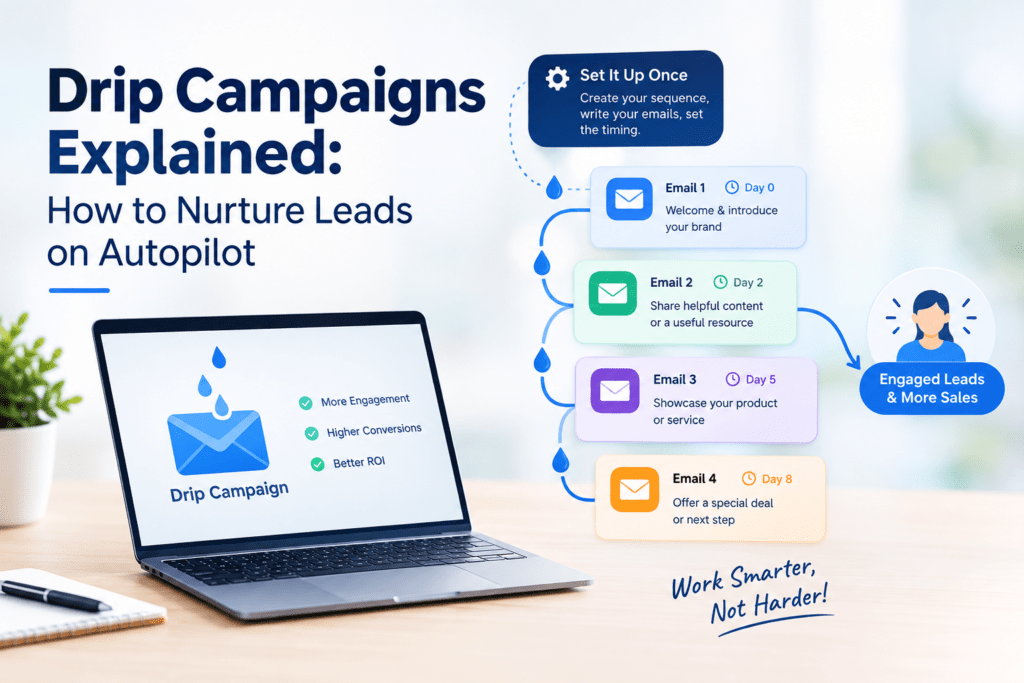
What Is a Drip Campaign?
A drip campaign is a series of pre-written, automated messages—usually emails—sent to your audience over a specified period or based on specific user actions.
Think of it like water dripping slowly from a tap. Each drop represents a single, targeted message. Instead of overwhelming your potential customers with a massive wall of information all at once, you deliver valuable insights, product education, and offers step-by-step.
Why Lead Nurturing on Autopilot Matters
Manually tracking every interaction and sending individualized follow-up emails becomes impossible as your business grows. Drip campaigns solve this by introducing scalability and efficiency into your marketing funnel.
Consistency at Scale: Every single lead receives the same carefully crafted onboarding or nurturing sequence, ensuring a uniform brand experience.
Time Savings: Set up your sequence once, and let your marketing automation tool handle the heavy lifting 24/7.
Higher Conversions: Nurtured leads generally make larger purchases and exhibit higher long-term value compared to cold prospects who are pitched immediately.
Essential Types of Drip Campaigns
Different customer behaviors require different messaging strategies. Here are the most effective types of automated drip campaigns you can implement:
The Welcome Series: Triggered immediately when a user subscribes or creates an account. It sets expectations, delivers initial value, and makes a strong first impression.
The Lead Nurturing Sequence: Designed for prospects who are researching solutions. These emails provide educational content, case studies, and answers to common objections to move them down the sales funnel.
The Onboarding Drip: Aimed at new software or service users, guiding them through core features so they achieve early success and reduce churn.
The Abandoned Cart Sequence: Used in e-commerce when a shopper leaves items in their cart. Gentle reminders combined with urgency or a small discount can recover lost revenue.
Re-engagement Drips: Targeted at subscribers or users who haven’t interacted with your brand in a while, offering a fresh incentive to come back.
Best Practices for Building a High-Converting Drip Campaign
To ensure your automated emails don’t end up in the spam folder or get instantly deleted, keep these core principles in mind:
Segment Your Audience: Avoid sending generic messages to everyone. Segment leads based on behavior, demographics, or the specific lead magnet they downloaded.
Define Clear Triggers: Every drip campaign must start with a specific user action—such as filling out a contact form, making a purchase, or clicking a specific link.
Pace Your Emails: Space out your messages thoughtfully. Sending three emails in one day will likely trigger unsubscribes, while waiting two weeks between emails will cause them to forget who you are.
Lead with Value: Every email in the sequence should offer genuine utility—whether it’s a helpful tip, an insightful guide, or an exclusive resource—rather than a hard sell.
Conclusion
Drip campaigns bridge the gap between initial interest and final conversion. By automating your lead nurturing process, you ensure that no prospect falls through the cracks while freeing up your team to focus on closing deals. Start simple with a 3-to-5-part welcome or nurturing sequence, track your open and click-through rates, and optimize over time.
What type of drip campaign are you planning to set up first for your b